Mapping Risk Patterns in Regulated American Online Slot Offerings
Vera Flores · Sep 17, 2026
Mapping Risk Patterns in Regulated American Online Slot Offerings
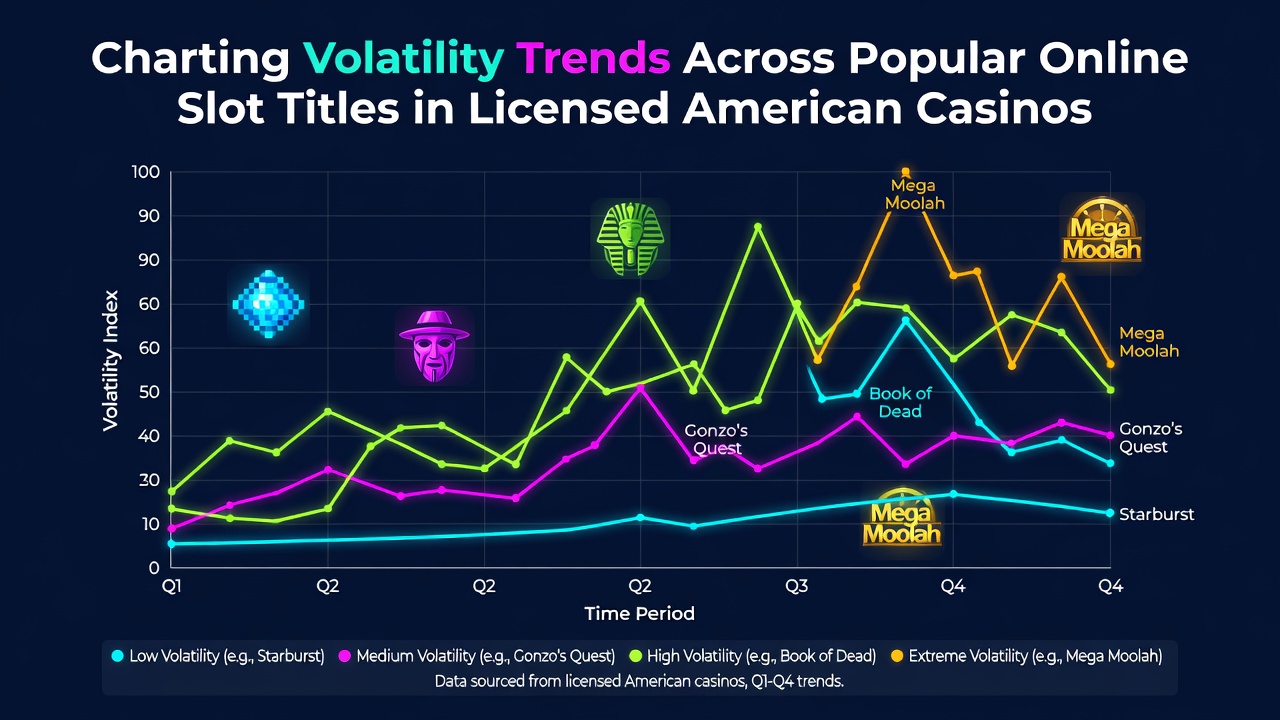
Volatility levels in licensed American online slots have drawn steady attention from analysts tracking player behavior across state-regulated platforms, and data from September 2026 highlights measurable shifts in how operators structure their libraries. Low-volatility titles continue to attract users seeking consistent returns while medium and high-volatility games occupy growing portions of featured sections on major sites in New Jersey, Pennsylvania, and Michigan.
Industry reports indicate that slots classified as low volatility generate smaller but more frequent wins, a pattern that aligns with steady engagement metrics recorded by multiple operators. High-volatility options, by contrast, produce infrequent yet larger payouts, and these titles often appear in progressive jackpot networks that span several states. Observers note that the balance between these categories has evolved as platforms refine their offerings based on aggregated play data.
Defining Volatility Categories in US Markets
Volatility refers to the statistical distribution of outcomes in slot mechanics, where low-volatility games cluster around modest prize tiers and high-volatility ones stretch toward rarer, elevated rewards. Research from state gaming divisions shows that players in regulated environments encounter clear labeling for these categories on many interfaces, although exact thresholds vary by provider. Medium-volatility titles sit between the two extremes, offering a blend that some libraries promote as balanced entry points for new accounts.
Take one major East Coast operator that adjusted its featured carousel in early 2026 to include more medium-volatility releases, a move that coincided with increased session lengths according to internal tracking. Similar adjustments appear in Midwest platforms where regulators require transparent return-to-player disclosures alongside volatility indicators.
Popular Titles and Their Volatility Profiles
Games such as Starburst and Blood Suckers maintain low-volatility designations across multiple US sites, delivering regular small-line hits that sustain longer play periods. Higher-volatility releases like Dead or Alive 2 and certain Megaways variants appear less often in daily promotions yet draw dedicated segments of the player base during jackpot events. Data compiled through September 2026 reveals that these high-volatility options account for a rising share of total wagers on interstate poker and slot networks despite lower hit frequencies.
Cluster pays mechanics, already common in several licensed libraries, introduce additional layers to volatility calculations because symbol groupings can trigger multiple simultaneous wins within single spins. Operators report that titles combining cluster pays with adjustable bet levels allow players to modulate risk exposure more precisely than older fixed-line formats permitted.
Regulatory Context and Data Tracking
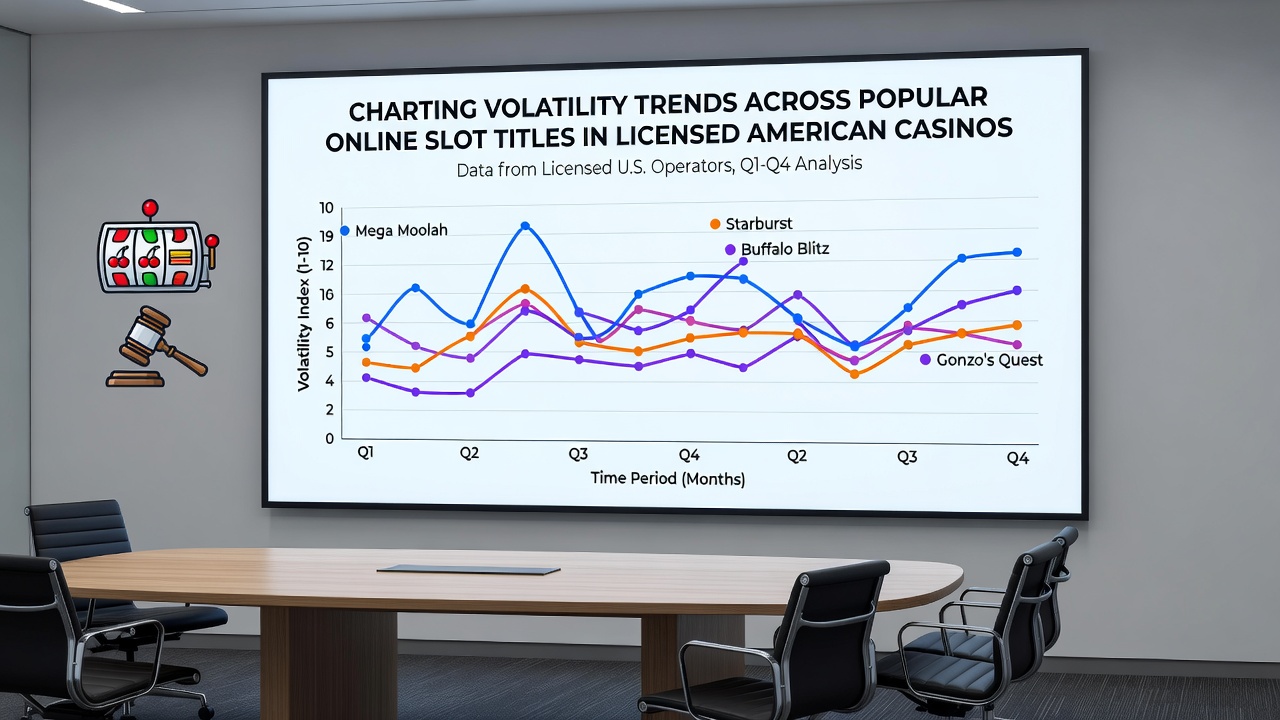
State-level oversight bodies in New Jersey and Pennsylvania publish periodic summaries that include aggregated payout statistics without naming individual titles, yet these figures allow researchers to infer volatility trends across the broader market. American Gaming Association reports released mid-2026 documented steady growth in mobile slot activity, with volatility distribution remaining a key metric for compliance audits. Another perspective emerges from academic analyses conducted by institutions such as the University of Nevada, Las Vegas, which examined player retention across volatility brackets using anonymized datasets.
Platforms must maintain accurate game information under current licensing rules, and updates to volatility ratings occur when providers recalibrate math models. September 2026 figures from several jurisdictions showed modest increases in the number of medium-volatility titles added to approved libraries, reflecting both supplier output and operator preferences for diversified risk profiles.
Player Behavior Patterns Across Volatility Levels
Session data collected through regulated apps indicate that low-volatility slots support extended play intervals with lower average wager sizes per spin, whereas high-volatility selections correlate with shorter, higher-stakes bursts. These patterns hold across demographic segments tracked in public summaries, although exact proportions differ by state. Geo-fencing technology ensures that only verified users within approved boundaries access these titles, maintaining the integrity of volatility-based statistics.
Skill-based elements layered onto certain slots further complicate traditional volatility measures because player input can influence outcome distributions. Regulators in multiple jurisdictions have begun requiring separate disclosures for hybrid games so that volatility ratings reflect both random and skill components accurately.
Conclusion
Volatility trends in licensed American online slots continue to evolve alongside platform growth and regulatory refinements, with data through September 2026 providing clear benchmarks for comparison. Low, medium, and high categories each serve distinct segments of the market, and ongoing tracking by state agencies plus industry groups supplies the factual foundation for understanding these distributions. As new titles enter approved libraries, the mapping of risk patterns remains an active area of observation for analysts and operators alike.